The concept of bvrla fair wear and tear plays a crucial role in UK vehicle leasing agreements, helping both drivers and leasing companies agree on what constitutes acceptable vehicle condition at the end of a contract. It provides a clear and consistent framework that defines normal usage deterioration versus actual damage that may lead to extra charges. Understanding this standard early can prevent confusion and financial surprises later.


In most leasing agreements, bvrla fair wear and tear acts as the official reference point used during end-of-contract inspections. It ensures that drivers are not penalised for minor issues caused by everyday use, such as light scratches or small interior marks. At the same time, it protects leasing companies from excessive neglect or damage that goes beyond reasonable expectations for a used vehicle.
What is BVRLA Fair Wear and Tear?
The term bvrla fair wear and tear refers to the acceptable level of deterioration expected on a vehicle that has been used normally over time. It distinguishes between natural ageing, such as faded trim or light stone chips, and actual damage, such as deep dents or broken parts. This distinction is essential in maintaining fairness in lease agreements.
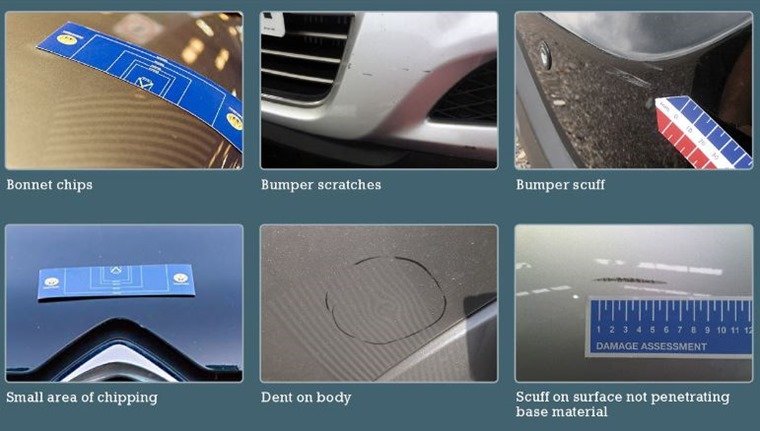
When applying bvrla fair wear and tear standards, inspectors assess whether any imperfections fall within reasonable usage limits. For example, minor scratches under a certain length or light seat creases may be acceptable. However, significant damage like torn upholstery or cracked body panels would not be covered under fair usage and could result in additional charges.
BVRLA Fair Wear and Tear Guidelines Explained
The official bvrla fair wear and tear guidelines provide detailed rules covering all areas of a vehicle, including exterior bodywork, interior condition, wheels, tyres, glass, and mechanical performance. These guidelines ensure consistency across the leasing industry, helping avoid disputes between customers and finance providers when vehicles are returned.
Under bvrla fair wear and tear, each part of the car is assessed individually based on its condition and level of usage. Light scratches or small stone chips may be considered acceptable on the exterior, while minor seat creases inside the vehicle may also fall within acceptable limits. However, anything that affects the vehicle’s appearance, safety, or functionality beyond normal use is usually classed as chargeable damage.
BVRLA Fair Wear and Tear Charges Explained
Understanding bvrla fair wear and tear charges is important for anyone leasing a vehicle in the UK. When a car is returned, it undergoes a professional inspection where any damage beyond acceptable standards is recorded. Each issue is then assigned a repair cost, which forms the basis of the final invoice sent to the customer.
The application of bvrla fair wear and tear charges can vary depending on the severity of the damage and the leasing company’s policies. Common charges include repairs for scratched alloy wheels, dented panels, or stained upholstery. While minor wear is usually ignored, anything that exceeds fair usage standards will likely result in additional costs at the end of the lease.
How to Avoid BVRLA Fair Wear and Tear Charges
One of the most effective ways to avoid issues related to bvrla fair wear and tear is to maintain the vehicle carefully throughout the lease period. Regular cleaning, responsible driving, and timely maintenance can significantly reduce the risk of damage. Treating the vehicle as if it were your own often ensures it remains within acceptable condition standards.
Another useful strategy is to conduct a pre-return inspection a few weeks before the lease ends. This allows time to address minor repairs and ensure compliance with bvrla fair wear and tear expectations. Fixing small scratches, cleaning interiors professionally, and repairing alloy scuffs in advance can help avoid unnecessary charges during the final inspection.
BVRLA Fair Wear and Tear Guide and PDF Resources
Many drivers search for the official bvrla fair wear and tear guide in PDF format to better understand lease return requirements. This document outlines all acceptable and unacceptable conditions in detail, helping users prepare for inspections. It is often updated to reflect changes in industry standards and vehicle technology.
Accessing a reliable bvrla fair wear and tear guide ensures that drivers are following the most accurate and up-to-date rules. While many versions exist online, including older PDFs, it is important to use the latest official documentation. This helps avoid confusion and ensures compliance with current leasing expectations across the UK.
Conclusion
In summary, bvrla fair wear and tear is a vital standard that helps define the condition in which a leased vehicle should be returned. It creates fairness by distinguishing normal usage from avoidable damage, ensuring both drivers and leasing companies are treated consistently and transparently throughout the leasing process.
By fully understanding bvrla fair wear and tear, drivers can take proactive steps to maintain their vehicles and reduce the risk of unexpected charges. Whether through regular maintenance, careful driving, or early inspections, following these guidelines helps ensure a smoother and more cost-effective lease return experience.