Section 47 Parents Rights UK: Complete Legal Guide to Social Services Investigations


Section 47 parents rights are an important part of understanding how child protection investigations work in the UK. When a local authority begins a Section 47 enquiry under the Children Act 1989, it usually means there are serious concerns that a child may be suffering or at risk of significant harm. For many families, this process feels stressful and overwhelming, especially when social services become involved unexpectedly.


Section 47 parents rights exist to ensure fairness, transparency, and lawful treatment during investigations. Even though social services have safeguarding duties, parents are not powerless or excluded from the process. They are entitled to be informed, to participate, and to seek legal advice while professionals assess the situation. Understanding these rights helps parents respond more confidently and protect their family’s interests.
What Is a Section 47 Enquiry in the UK
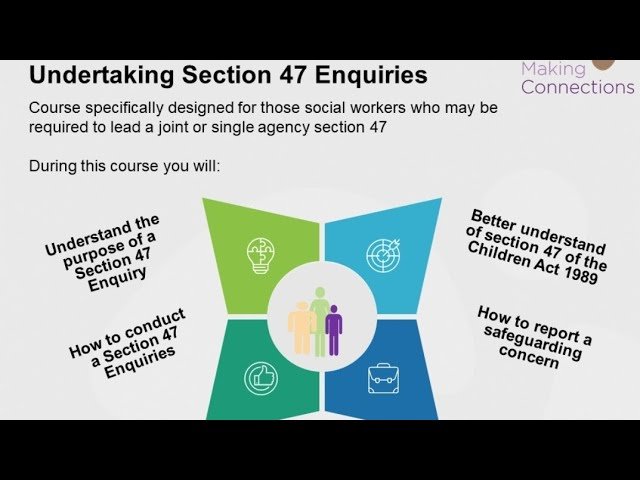
A Section 47 enquiry is a legal investigation carried out by local authorities when there is reasonable cause to suspect that a child is suffering or likely to suffer significant harm. This duty is set out in the Children Act 1989, and it requires social workers to work alongside police and health professionals if necessary to ensure a child’s safety and wellbeing.
Although the process can feel intimidating, section 47 parents rights remain in place throughout the investigation. Parents should not assume they are excluded from decisions or discussions. Instead, they are usually involved at various stages unless doing so would place the child at further risk. The aim is always to protect children while maintaining fair treatment for families.
What Triggers a Section 47 Investigation
A Section 47 enquiry may begin due to concerns about physical abuse, emotional harm, sexual abuse, or neglect. Reports can come from schools, healthcare workers, neighbours, or even anonymous referrals. In some cases, police involvement or domestic incident reports may also lead to an investigation being started.
Even though these triggers can feel alarming, section 47 parents rights ensure that allegations are not automatically treated as fact. Social workers must gather evidence, speak with relevant professionals, and assess the situation carefully before making any conclusions. Parents have the right to explain their circumstances and provide their version of events during this stage.
Section 47 Parents Rights Explained Clearly
Understanding section 47 parents rights is essential for any family going through a child protection investigation. One of the most important rights is the right to be informed about concerns, unless sharing information would place the child at greater risk. Parents should generally be told what the investigation involves and why it has started.
Another key aspect of section 47 parents rights is the ability to seek legal advice. Parents can contact a family law solicitor at any point during the enquiry. They also have the right to attend meetings, share their views, and present evidence. These rights help ensure that families are not excluded from decisions affecting their children’s future.
What Happens During a Section 47 Investigation
During a Section 47 investigation, social workers collect information from multiple sources to assess the child’s safety. This may include speaking with teachers, doctors, and other professionals involved in the child’s life. They may also review existing records to build a clearer understanding of the family situation.
Section 47 parents rights allow parents to participate in this process by attending interviews and explaining their perspective. Social workers may ask detailed questions about daily routines, household conditions, relationships, and parenting arrangements. While this can feel intrusive, the purpose is to understand the child’s lived experience and ensure their safety.
Home Visits and Social Worker Assessments
Home visits are a central part of most Section 47 enquiries. Social workers may visit the family home to observe the environment and assess whether the child is safe and appropriately cared for. They may also look at sleeping arrangements, hygiene standards, and overall household stability during these visits.
Even during home visits, section 47 parents rights remain important. Parents are entitled to be treated respectfully and professionally throughout the assessment. They can ask questions, request clarification, and ensure that any concerns raised are accurately recorded. Cooperation during this stage can help create a clearer and more balanced assessment.
Child Interviews and Multi-Agency Involvement
As part of the investigation, social workers may speak directly with the child if they are old enough and able to communicate their views. These conversations are conducted in a sensitive and child-focused manner. The aim is to understand how the child feels and whether they are experiencing any difficulties at home or elsewhere.
Section 47 parents rights also apply during multi-agency discussions, where information is shared between professionals such as teachers, doctors, and police officers. Parents may not always be present in these meetings, but they still have the right to be informed about key outcomes and contribute their views whenever appropriate.
Child Protection Conferences and Outcomes
If concerns remain after the investigation, an Initial Child Protection Conference may be arranged. This meeting brings together professionals involved in the case to decide whether the child needs a Child Protection Plan. It is a critical stage in the safeguarding process and can significantly impact the family’s future involvement with social services.
Parents generally have the right to attend this conference, which is a core part of section 47 parents rights. They can present their perspective, bring legal representation, and respond to concerns raised by professionals. Possible outcomes include no further action, continued family support, or the implementation of a Child Protection Plan.
Can Parents Refuse a Section 47 Investigation
Parents sometimes ask whether they can refuse a Section 47 investigation, but the answer depends on the circumstances. While cooperation is strongly encouraged, local authorities have legal powers to continue their enquiries even without parental consent if they believe a child may be at risk.
However, section 47 parents rights still apply even when cooperation is limited. Parents remain entitled to legal advice, fair treatment, and access to information where appropriate. Refusing cooperation may sometimes increase concerns, so understanding the process and engaging constructively is often beneficial for the family.
How Long a Section 47 Investigation Takes
The length of a Section 47 enquiry varies depending on the complexity of the situation. Many investigations are completed within a few weeks, but some may take longer if additional assessments, interviews, or medical reports are required to reach a clear conclusion.
Throughout this time, section 47 parents rights ensure that families are not left without support or communication. Parents should be kept informed about progress and next steps whenever possible. Clear communication between social services and families can help reduce uncertainty and improve outcomes for the child.
How Parents Can Protect Their Rights
Parents can take several practical steps to protect their rights during a Section 47 investigation. Keeping detailed records of meetings, conversations, and written communication can be extremely helpful. This ensures there is clarity if there are disagreements about what has been said or decided.
Understanding section 47 parents rights also includes seeking early legal advice and staying engaged throughout the process. Parents who remain calm, cooperative, and well-prepared are often better able to present their case clearly. This approach can also help build a more constructive relationship with social workers.
Conclusion
Section 47 parents rights are designed to ensure fairness and transparency during one of the most sensitive processes in child protection law. While a Section 47 enquiry can feel stressful and invasive, it is ultimately focused on safeguarding children and supporting families where needed.
By understanding section 47 parents rights, parents can take a more active and informed role in the process. They have the right to be heard, to seek legal advice, and to participate in key decisions affecting their child. Knowledge of these rights can make a significant difference in navigating the investigation with confidence and clarity.