London Cinema Listings – Today’s Movies, Showtimes & Tickets Across the Capital

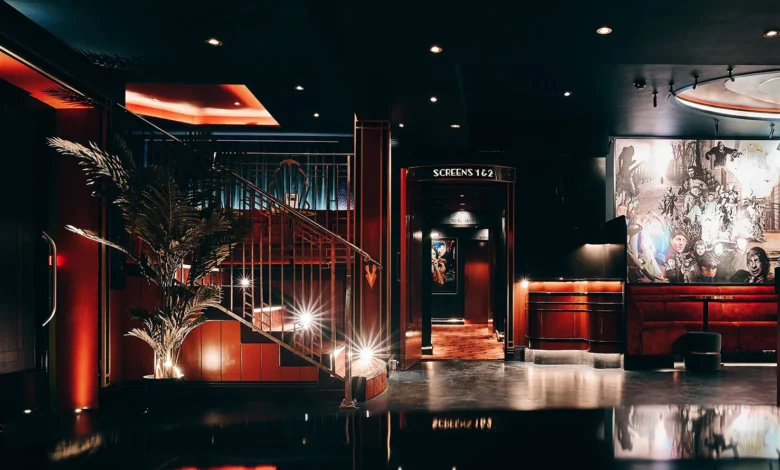
London is widely regarded as one of the world’s leading destinations for film entertainment, offering an unmatched mix of mainstream blockbusters, independent cinema, and international releases. The demand for london cinema listings continues to rise as audiences seek quick, accurate, and reliable information on what is currently showing across the city. From last-minute plans to carefully organised evenings out, cinema listings play an essential role in shaping how people experience film culture in the capital.


The growing interest in london cinema listings also reflects how diverse and dynamic the city’s cinema scene has become. Viewers are no longer limited to a single type of screening, as they can now explore luxury venues, historic theatres, and modern multiplexes all within a single search. This accessibility ensures that film lovers can easily discover new releases, special screenings, and unique cinematic experiences across London.
What Are London Cinema Listings Today
Understanding london cinema listings today is essential for anyone planning a spontaneous cinema visit. These listings provide real-time information about films currently showing, including screening times, cinema locations, and available seating. This makes it easier for audiences to decide what to watch without having to browse multiple platforms or visit cinemas in person.
In addition, london cinema listings today help users stay updated with last-minute changes, such as added screenings or sold-out shows. Many people rely on these listings for evening entertainment, especially when they want instant access to nearby films. With digital platforms and cinema apps improving rapidly, checking what is available has never been more convenient or efficient for moviegoers across London.
Central London Cinema Listings Experience
Central London remains the heart of the city’s film culture, making central London cinema listings highly popular among both tourists and residents. This area is home to iconic venues that frequently host premieres, film festivals, and exclusive screenings. As a result, demand for tickets in this part of the city is often high, especially for blockbuster releases and special events.
When browsing london cinema listings for central areas, audiences often find a wide range of premium experiences. From IMAX screens to luxury seating, central London cinemas offer more than just films; they deliver a complete entertainment experience. The combination of location, accessibility, and variety makes this part of the city a major attraction for cinema lovers.
South London Cinema Listings and Local Screenings

South London offers a more relaxed and community-focused cinema experience, and south London cinema listings highlight this unique aspect of the capital’s film culture. Unlike the busy central districts, South London cinemas often provide a quieter atmosphere where audiences can enjoy both mainstream and independent films in comfort.
Many users searching london cinema listings discover that South London venues often showcase hidden gems and cultural screenings. These cinemas are known for their local charm, affordability, and welcoming environment. This makes them an excellent choice for viewers who prefer a more personal and less commercial film experience.
Cinema Chains and London Cinema Listings
Major cinema chains play a significant role in shaping london cinema listings across the city. Brands such as Vue and ODEON operate multiple locations throughout London, offering consistent schedules and a wide selection of films. Their listings are frequently updated, ensuring audiences can easily find showtimes that suit their schedule.
Another key player is Cineworld, which provides extensive london cinema listings across various London districts. Additionally, Picturehouse Cinemas offers a more curated selection of independent and mainstream films. These chains make it simple for users to compare films, book tickets in advance, and enjoy modern cinema features such as recliner seating and immersive sound systems.
Trending Films in London Cinema Listings
Trending films have a major influence on london cinema listings, as popular releases often dominate screening schedules across the city. Blockbusters such as Oppenheimer, Star Wars, and No Time to Die frequently appear in multiple cinemas, attracting large audiences and driving high ticket demand. These films often stay in listings for extended periods due to their popularity.
At the same time, london cinema listings also include classic and arthouse films that appeal to niche audiences. Titles like Barry Lyndon continue to attract film enthusiasts who appreciate restored screenings and cinematic history. This balance between mainstream and artistic content ensures that London remains a diverse and culturally rich film destination.
Google and Time Out London Cinema Listings
Digital platforms have transformed how audiences access london cinema listings, making it easier than ever to find showtimes instantly. Google plays a major role by displaying real-time listings, cinema locations, and direct booking options. This convenience allows users to quickly compare films and choose the best available option in seconds.
Similarly, Time Out offers curated london cinema listings that include reviews, recommendations, and editorial picks. This helps audiences not only see what is playing but also understand which films are worth watching. Together, these platforms have reshaped how people interact with cinema schedules across London.
How to Use London Cinema Listings Effectively
To get the most out of london cinema listings, it is important to understand how to filter and compare different options. Users can search by date, location, genre, or cinema chain to find the most suitable screening. This flexibility allows audiences to plan their visits more efficiently and avoid missing popular showings.
Another useful approach is combining different sources of london cinema listings to get a complete overview. By checking both cinema websites and third-party platforms, users can find better seat availability, pricing options, and alternative showtimes. This ensures a smoother and more enjoyable cinema experience across London.
Conclusion
London continues to be one of the most exciting cities in the world for film lovers, and london cinema listings play a vital role in connecting audiences with the latest screenings. From central London blockbusters to South London independent films, the variety ensures there is something for everyone to enjoy.
As digital platforms continue to evolve, london cinema listings will become even more detailed and accessible. Whether planning ahead or looking for a spontaneous night out, these listings provide everything needed to enjoy the city’s vibrant and ever-changing cinema landscape.