Mablethorpe Children’s Centre: Official Family Services, Early Years Support & Childcare Hub in Lincolnshire

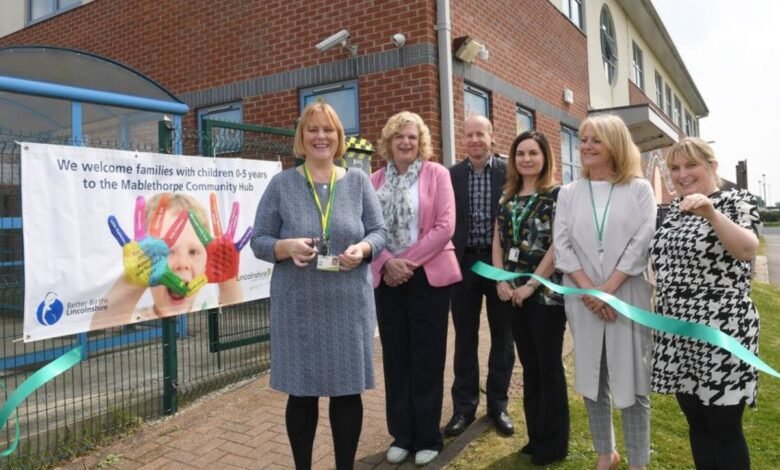
The mablethorpe children’s centre is a vital community resource designed to support families with young children from pregnancy through to early school age. It offers a welcoming environment where parents and carers can access guidance, activities, and professional advice tailored to early childhood development. The centre plays an essential role in strengthening family wellbeing and encouraging positive early learning experiences within the local area.


The mablethorpe children’s centre works closely with Lincolnshire County Council to deliver structured family support services that are accessible and inclusive. It is widely recognised as a trusted hub where families can feel supported, informed, and connected. Through a combination of outreach programmes and on-site services, it helps create a strong foundation for children’s early development.
Location and Accessibility of Mablethorpe Children’s Centre
The mablethorpe children’s centre is conveniently located within Mablethorpe, making it easily accessible for families living in the town and surrounding coastal communities. Its central position ensures that parents can attend sessions without difficulty, whether they are scheduled programmes or informal drop-in activities. Accessibility is a key focus, allowing families to engage with services comfortably and consistently.
The mablethorpe children’s centre also provides clear contact information and flexible access options to ensure families can reach support when needed. Public transport links and nearby facilities make visits straightforward, even for those travelling from neighbouring areas. This accessibility ensures that the centre remains a practical and reliable support point for early years and parenting needs.
Official Family Support Services Available
The mablethorpe children’s centre offers a wide range of official family services designed to support parents and carers at every stage of early childhood. These services include antenatal support, parenting advice, child development guidance, and referrals to additional specialist services when required. The aim is to provide holistic support that strengthens family wellbeing and resilience.
Within the mablethorpe children’s centre, families can access tailored programmes that address both emotional and practical needs. Staff work closely with healthcare professionals and local organisations to ensure families receive consistent and reliable support. This coordinated approach helps improve outcomes for children while giving parents greater confidence in their parenting journey.
Early Years Learning and Child Development
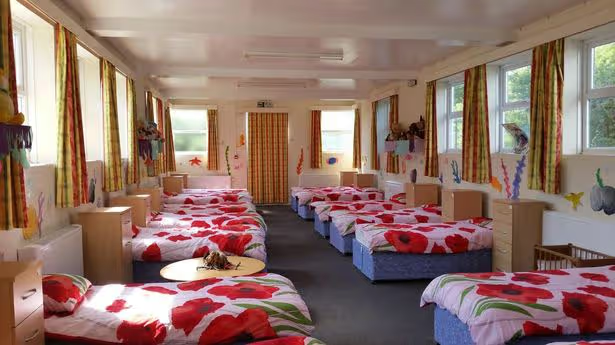
Early years development is a central focus at the mablethorpe children’s centre, where children aged 0–5 are encouraged to learn through play-based activities. These structured sessions help develop communication skills, social interaction, creativity, and emotional awareness. Parents are actively involved, supporting learning both at the centre and at home.
The mablethorpe children’s centre also helps prepare children for a smooth transition into early education settings. Through carefully planned activities and developmental support, children gain essential skills needed for school readiness. This early intervention approach ensures that every child has the opportunity to build a strong foundation for future learning success.
Parenting Support and Family Engagement
The mablethorpe children’s centre provides valuable parenting support designed to help carers build confidence and strengthen family relationships. Workshops, advice sessions, and informal meet-ups allow parents to share experiences and gain practical guidance on raising young children. These services are essential in supporting both emotional wellbeing and parenting skills.
Family engagement is a key part of the mablethorpe children’s centre, encouraging parents to take an active role in their child’s development. Activities such as stay-and-play sessions and group learning events help create a sense of community. This supportive environment allows families to connect with others while accessing useful early years information.
Health, Wellbeing and Local Partnerships
The mablethorpe children’s centre works closely with health visitors and local healthcare providers to ensure families receive comprehensive wellbeing support. Services often include advice on nutrition, breastfeeding, child health, and emotional wellbeing. This integrated approach ensures families have access to essential health-related guidance in a familiar and trusted setting.
Through collaboration with partners such as Lincolnshire County Council, the mablethorpe children’s centre strengthens its ability to deliver coordinated services. These partnerships allow for effective referrals, safeguarding support, and specialist interventions when necessary. This ensures families receive timely and appropriate care based on their individual needs.
Community Impact and Local Importance
The mablethorpe children’s centre plays an important role in strengthening the local community by supporting families during the crucial early years of a child’s life. It helps build stronger relationships between parents, children, and service providers, contributing to a more connected and supportive community environment. Its impact extends beyond individual families to the wider population.
The mablethorpe children’s centre also supports vulnerable families by offering early intervention and targeted assistance where needed. This proactive approach helps reduce long-term challenges and improves outcomes for children. By providing consistent access to support services, the centre contributes significantly to the overall wellbeing of the Mablethorpe community.
How to Access Services at Mablethorpe Children’s Centre
Accessing the mablethorpe children’s centre is designed to be straightforward and inclusive for all families. Many services are available through drop-in sessions, while others may require booking in advance. Parents can contact the centre directly to find out more about available programmes, eligibility, and session times.
The mablethorpe children’s centre ensures that families understand how to engage with its services effectively. Staff are available to provide guidance on what to expect during visits and how to make the most of available support. This clear and supportive approach helps families feel confident when accessing early years and parenting services.
Conclusion
The mablethorpe children’s centre continues to serve as a vital hub for early years development, parenting support, and community engagement. It provides a safe, welcoming environment where families can access essential services that support both children and parents during key stages of early life.
By working closely with Lincolnshire County Council, the mablethorpe children’s centre ensures that high-quality and accessible services are consistently delivered. Its role in promoting child development and family wellbeing makes it an essential part of the local support network.
Overall, the mablethorpe children’s centre remains a trusted and valuable resource for families in the region. It helps build stronger communities, supports early education, and ensures that every child has the opportunity to thrive in their early years.